




Featured
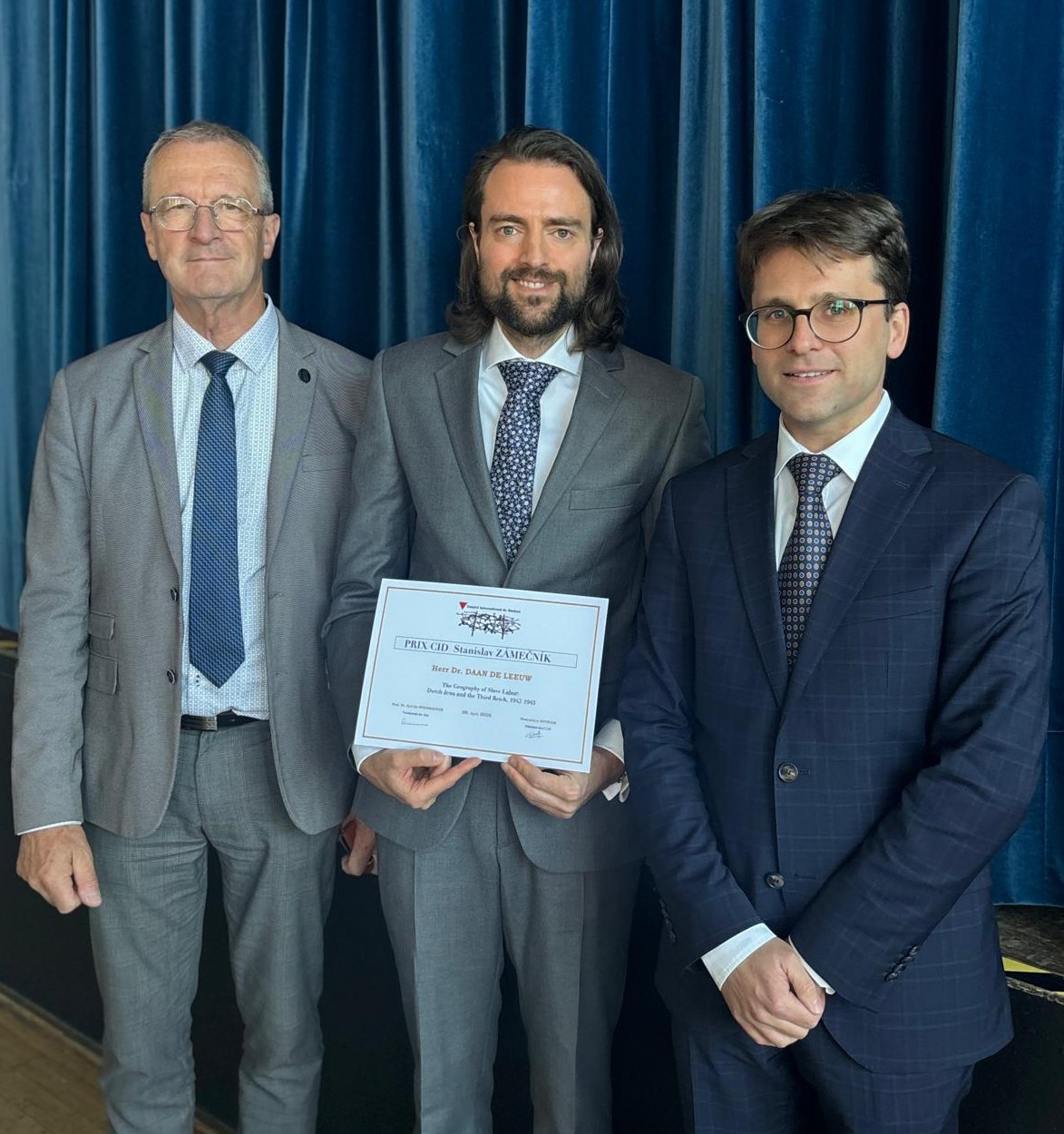 Dominique Boueilh, Daan de Leeuw, Florian Hartmann Image Ekaterina Masetkina,
The 2025 Stanislav Zámečník Study Prize awarded to: Daan de Leeuw
The Geography of Slave Labor: Dutch Jews and the Third Reich (1942–1945).
Dissertation, Strassler Centre for Holocaust and Genocide Studies, Clark University (Worcester/Massachusetts, US)
On 30 April 2026, the Stanislav Zámečník Prize was awarded by the Comité International de Dachau. This prize recognizes outstanding scholarly work on the history of the Nazi concentration camp system.
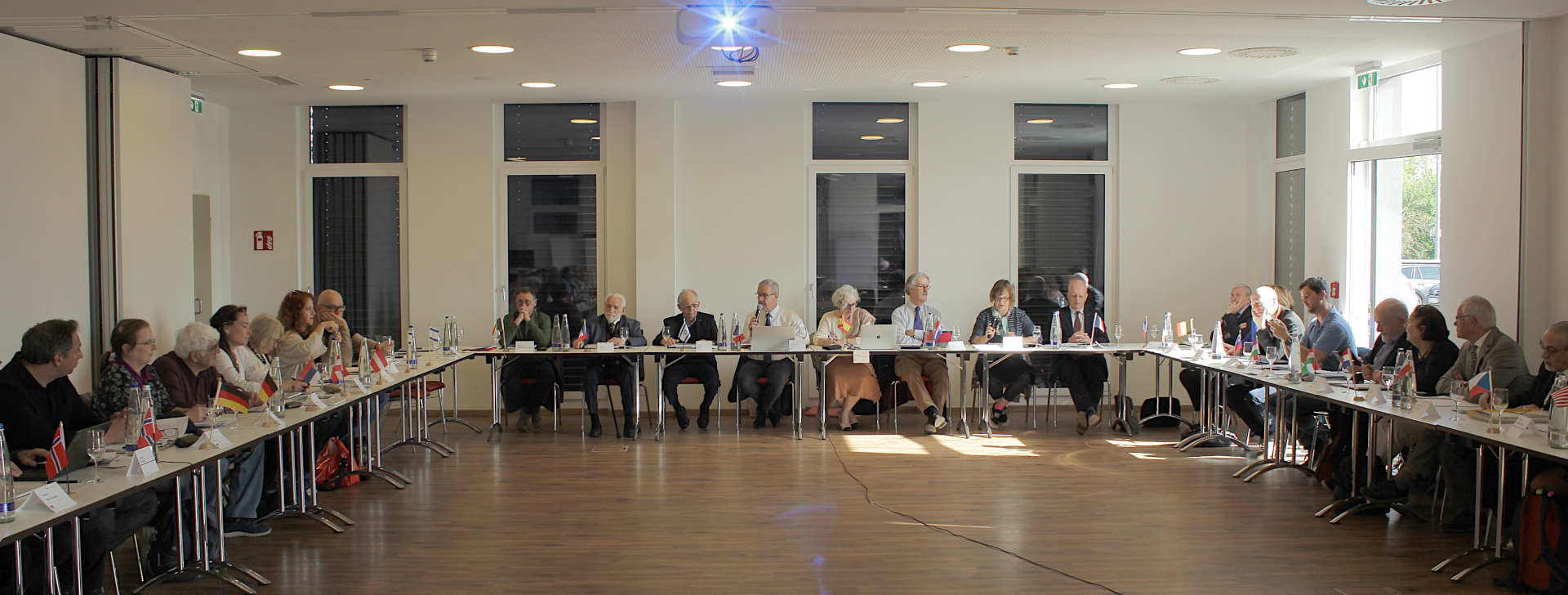
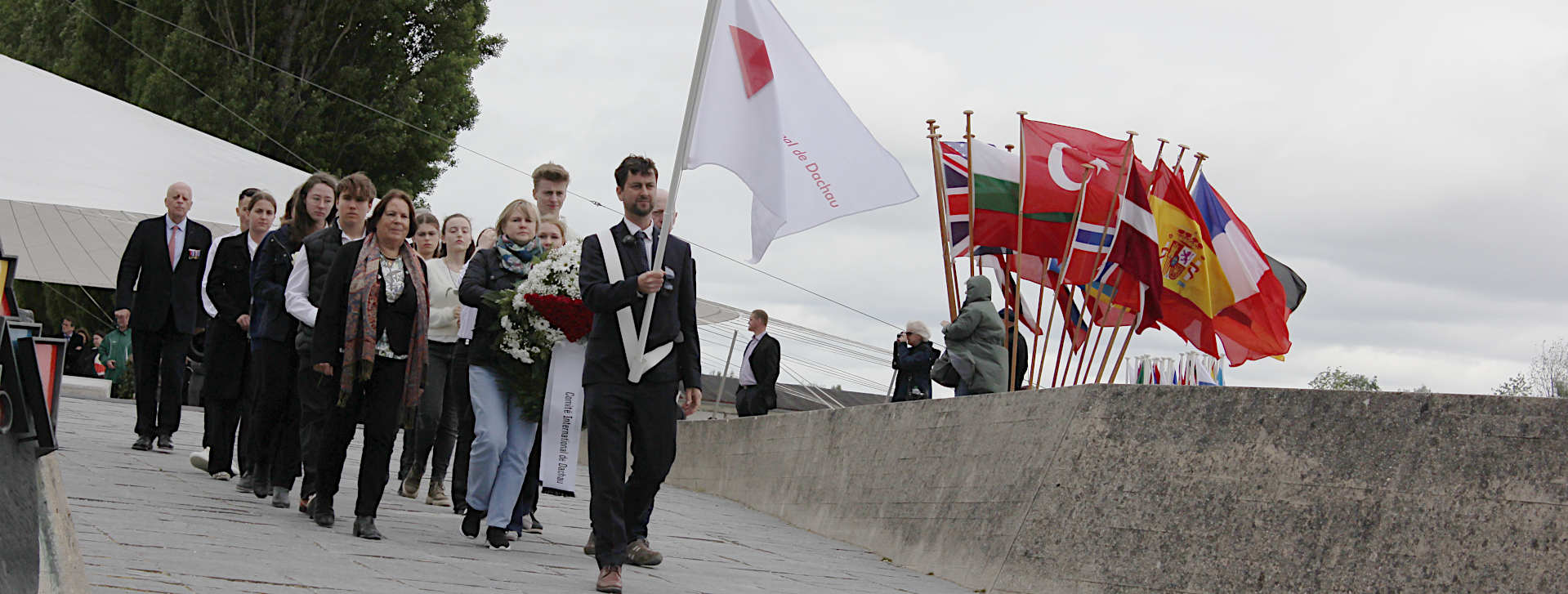
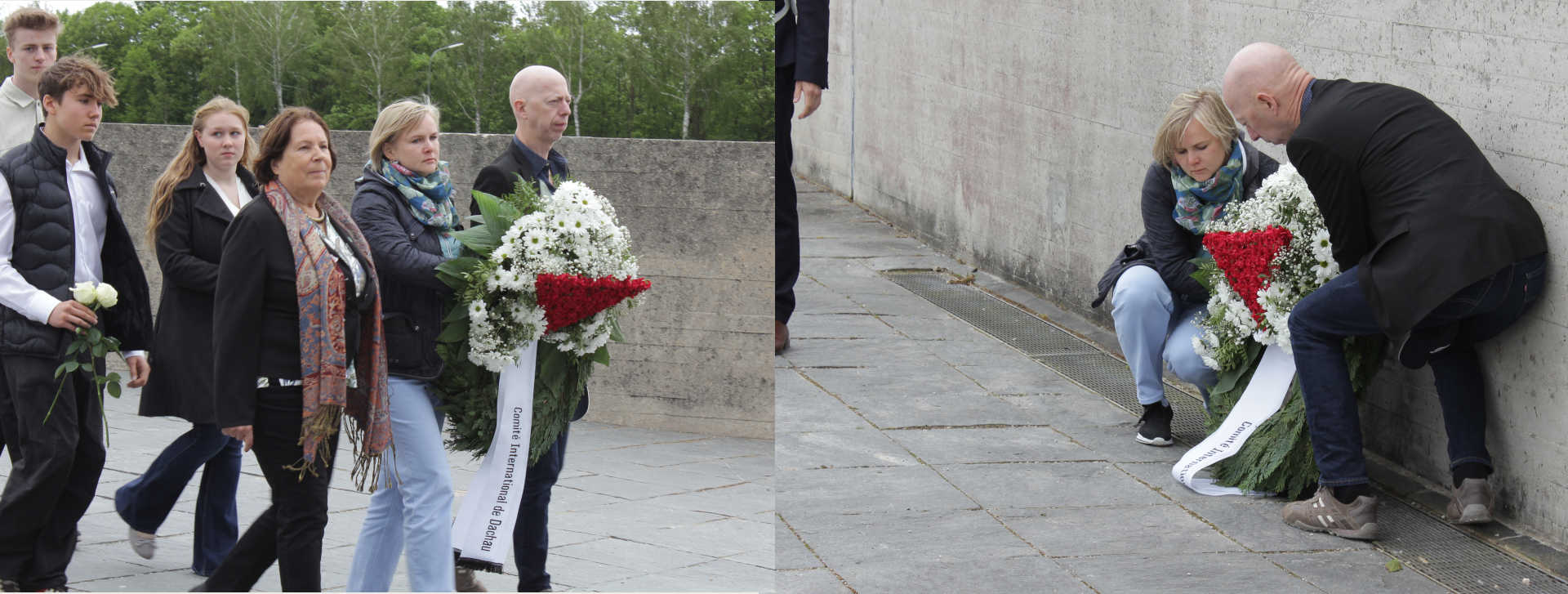
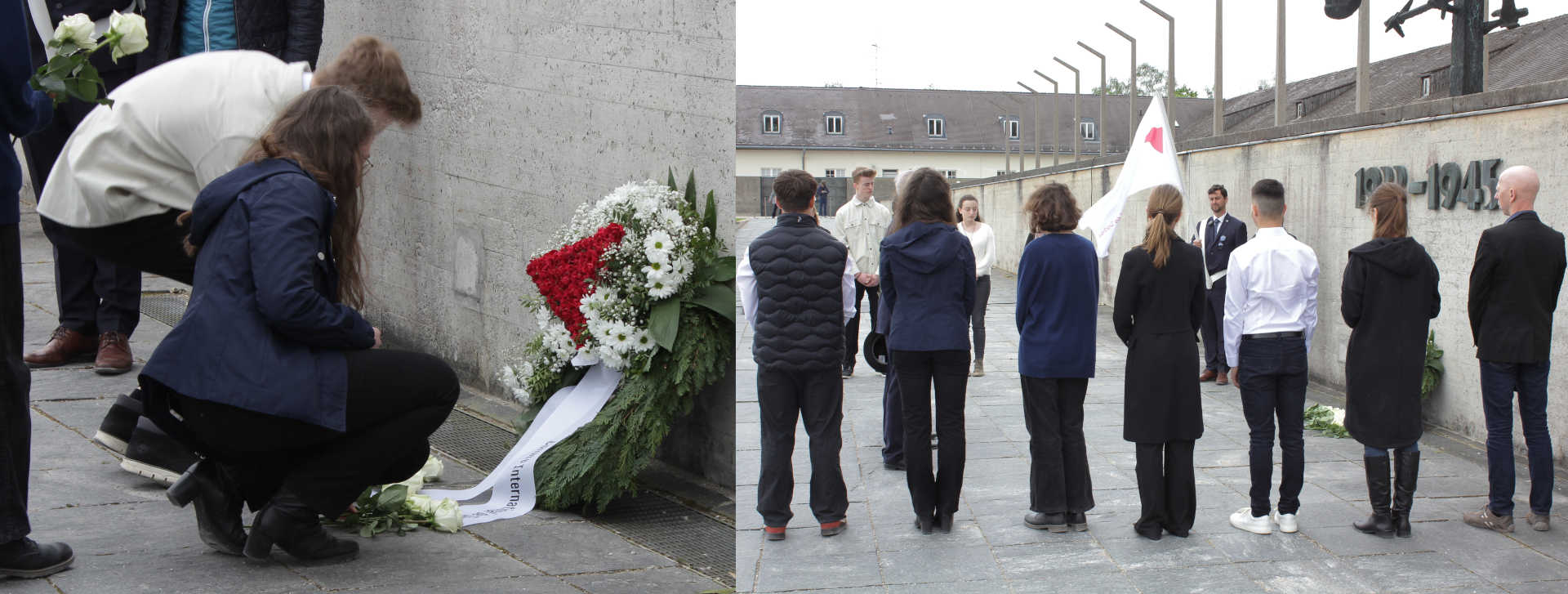
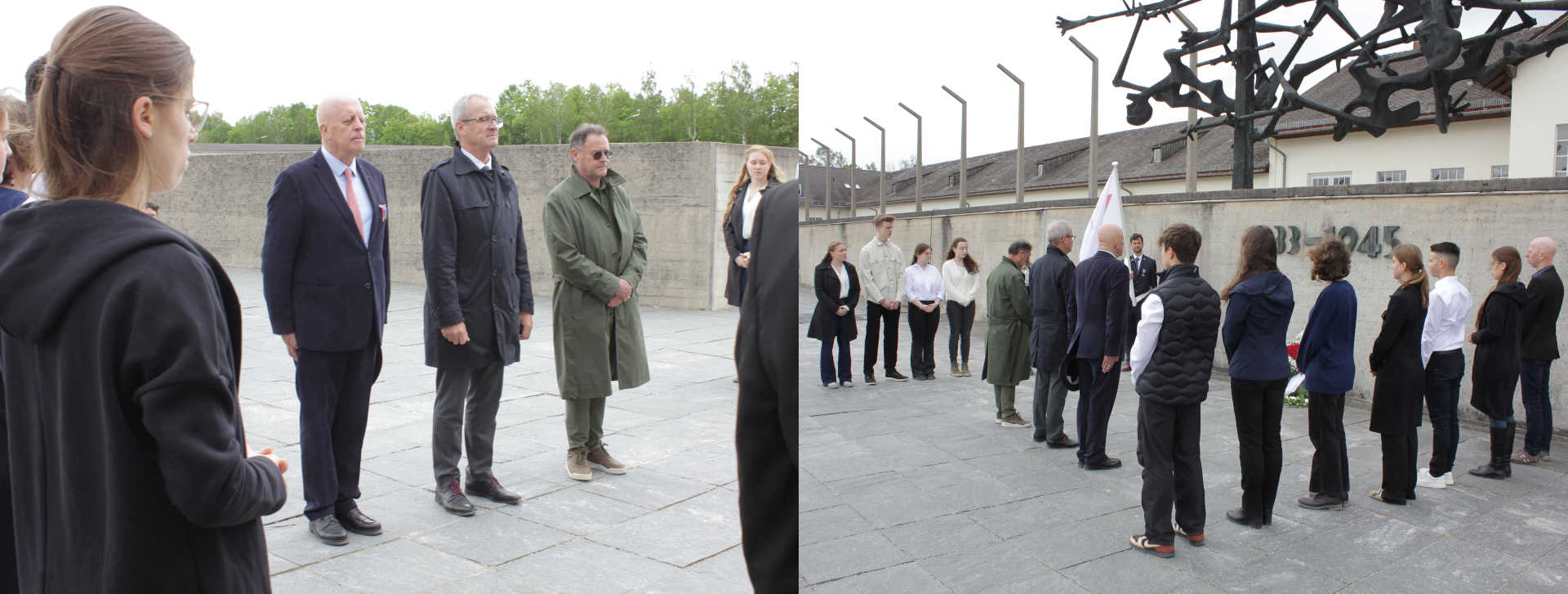
The event was held at the Ludwig Thomas House in Dachau and opened by the Mayor of Dachau, Florian Hartmann, a staunch supporter of the Comité International de Dachau (CID) for many years. Dominique Boueilh (President of the CID) who welcomed the guests and Cristina Cristóbal, (CID’s Secretary General) emphasized the importance of passing on and preserving this history. Also present were members of the CID, representatives of survivors' families, and other guests. Dr. Ernst Berger delivered the laudatory speech on behalf of the jury, and highlighted the high quality of the submitted works.
Statement from the jury: Stanislav Zámečník Study Prize of the Comité International de Dachau
A total of nine applications have been received for the 2025 Stanislav Zámečník Study Prize of the Comité International de Dachau: four doctoral dissertations and five master's theses. The works were completed at universities in the USA (Worcester, Massachusetts), France (Paris), Austria (Salzburg), Germany (Heidelberg, Berlin, Jena, Frankfurt am Main), and offered by Heidelberg University and the École des hautes études en sciences sociale in Paris within the framework of a joint German-French master's program. Six of the applicants are women and three are men.
The jury is very impressed by the quality and number of submissions. This, along with the fact that submissions came from many countries, demonstrates that the Stanislav Zámečník Study Prize of the Comité International de Dachau (CID) has gained international recognition and widespread attention, making it an attractive option for young researchers to apply. For the CID, this is a welcome confirmation of the importance of awarding the prize.
The jury members discussed the submitted works. Two prize-worthy works emerged from the discussion: Daan de Leeuw's dissertation, "The Geography of Slave Labor: Dutch Jews and the Third Reich (1942-1945)," and Thomas Porena's dissertation, "Displaced and Reframed: The Return of Yugoslav DPs at the End of the Second World War." Both studies are entirely convincing, both in terms of their exploration of new research areas and their methodological approach. Of the two, Daan de Leeuw's work stands out as a pioneering achievement, providing important new insights into the transport routes between individual camps, illuminating the experiences of those affected, breaking new ground methodologically, and convincingly combining qualitative and quantitative approaches. The jury unanimously concludes that Daan de Leeuw's work should be awarded the Stanislav Zámečník Study Prize of the CID.
Summary of the prizewinning thesis
The Germans moved concentration camp prisoners from one site to another to deploy inmate labour wherever it was needed for the war industry. Most prisoners endured multiple camps during their incarceration. In his doctoral thesis The Geography of Slave Labor: Dutch Jews and the Third Reich, 1942-1945, Daan de Leeuw examines how Dutch Jewish slave labourers experienced these frequent relocations, and how they managed life in the concentration camps. The starting point of the analysis is 9 of the 103 deportation trains that ran from the Netherlands to German concentration and death camps between 1942-1944. Focusing on over 230 Jews on these transports, this study reconstructs their routes through the SS camp system. Tracking individuals through time and space lays bare a plethora of pathways and uncovers the disintegration of groups of prisoners. While deportees on the same train arrived together at a site, they were soon dispersed through ongoing selections and displacements. In most cases, the SS dictated who was sent where, shaping inmates’ trajectories and causing diverging routes of individual prisoners. Inmates thus had very little influence over their place of incarceration. Still, some managed to elude displacement or volunteered for transfer to another camp, exercising limited agency framed by the options presented by the Germans.
In an environment ruled by terror and prisoners frequently on the move, ties with fellow inmates were critically important. Drawing on survivor testimonies, this study analyses social dynamics among inmates. Relocations ruptured groups and broke bonds between individuals, which left prisoners in a more precarious position than when connected to others. Liminal moments in a victim’s camp odyssey, shifts from one site to another had a tremendous impact. The Geography of Slave Labor also illuminates how relations between prisoners emerged, showing that Dutch Jews, like inmates from other countries, initially looked for compatriots to establish bonds, as a shared language and cultural background enabled people to understand each other. Still, many, particularly when on their own in the camps or at work sites, forged supportive connections and even friendships with prisoners of other nationalities. At the same time, the abhorrent camp conditions triggered animosity and violence among inmates. This thesis probes the hostility between Jews of different nationalities.
Finally, The Geography of Slave Labor sheds light on the role of luck, chance, and fortuitous circumstances in prisoners’ lives and survival. These factors shaped Jewish slave labourers’ ordeals across camp contexts: during selections, in relations between inmates, in connection with displacements, and in interactions with guards. Luck, chance, and fortuitous circumstances could alter Jews’ plight from one moment to the next, thus affecting their survival as well.
About Daan de Leeuw
Daan de Leeuw is a Postdoctoral Researcher at the Department of Art & Culture, History, and Antiquity at the Vrije Universiteit Amsterdam with the project “The Holocaust in ‘the Provinces’: Local Dynamics in the Nazi-Occupied Netherlands (1925-1950).” His primary research areas include the Holocaust, the Third Reich, Nazi concentration camps, and genocide.
De Leeuw received his PhD in history from the Strassler Centre for Holocaust and Genocide Studies at Clark University, Worcester, United States, for his dissertation “The Geography of Slave Labor: Dutch Jews and the Third Reich, 1942-1945.” In his thesis, he analyses Jewish slave labour during the Holocaust, researching the victims’ experiences from a spatial perspective. De Leeuw holds a BA (cum laude) and MA (cum laude) in history from the University of Amsterdam. Prior to his doctoral studies, de Leeuw worked at NIOD Institute for War, Holocaust and Genocide Studies in Amsterdam as research assistant and as Project Manager of EHRI (European Holocaust Research Infrastructure).
De Leeuw has held fellowships at Yad Vashem, the Centre for Holocaust Studies at the Institute for Contemporary History (IfZ), EHRI, the United States Holocaust Memorial Museum, and the Vienna Wiesenthal Institute for Holocaust Studies. In addition, his research has been supported by the Conference on Jewish Material Claims Against Germany, which bestowed him a Saul Kagan Fellowship in Advanced Shoah Studies, the Memorial Foundation for Jewish Culture, the Dutch Cultuurfonds, and the American Academy for Jewish Research.
Ever since his teenage years, de Leeuw has developed a deep human and academic interest in the history of the Third Reich and the persecution of European Jews. The question of how states and individuals are capable of committing genocide guides his research. He has visited numerous former concentration camps over the years, including Dachau, to enhance his understanding of these sites of terror and the role they played in the Nazi dictatorship. Deeply committed to research and education, de Leeuw is dedicated to the keeping the memory of the Holocaust and the Nazi past alive, thereby honouring the victims.
